NTKCEST · 2026

The 2026 Edition · Independent

The Non-ToxicKitchen Report

A researched guide to safer cookware, storage, and water, built from manufacturer specs and authoritative sources, ranked by published evidence, not marketing claims.

EPA·FDA·NIH·NSF/ANSI·Peer-reviewed
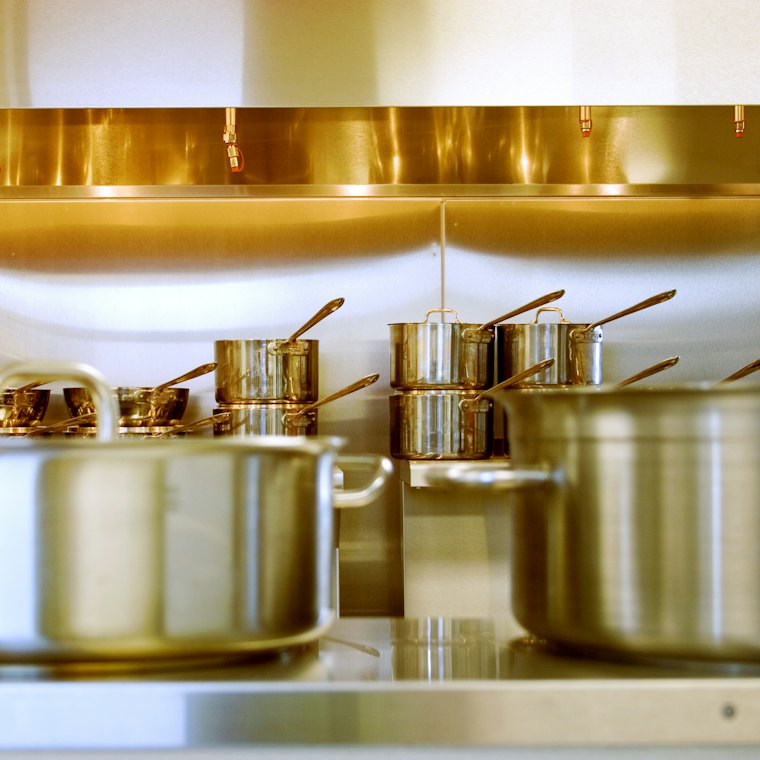
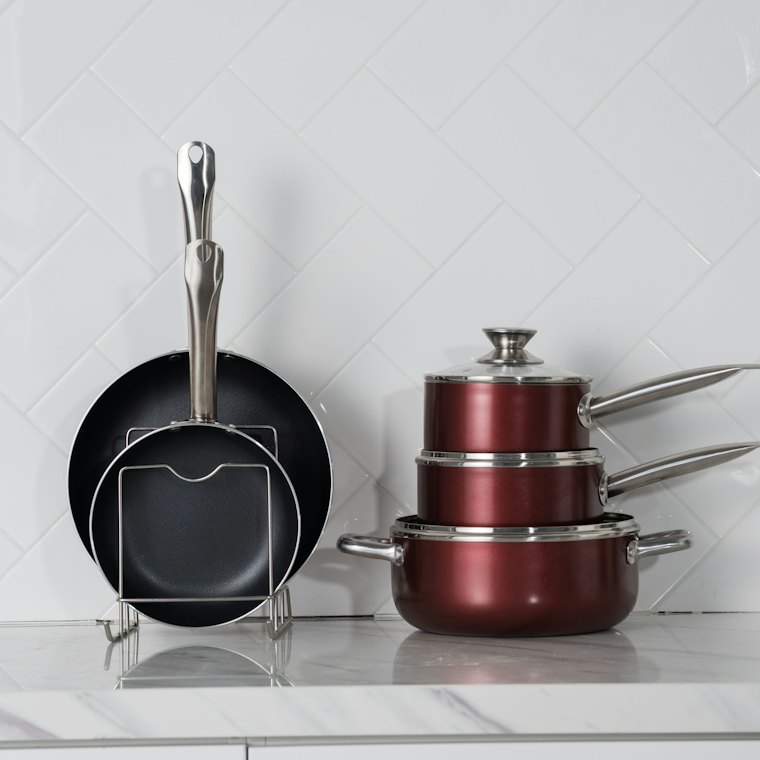
Stainless steel cookwareCookware
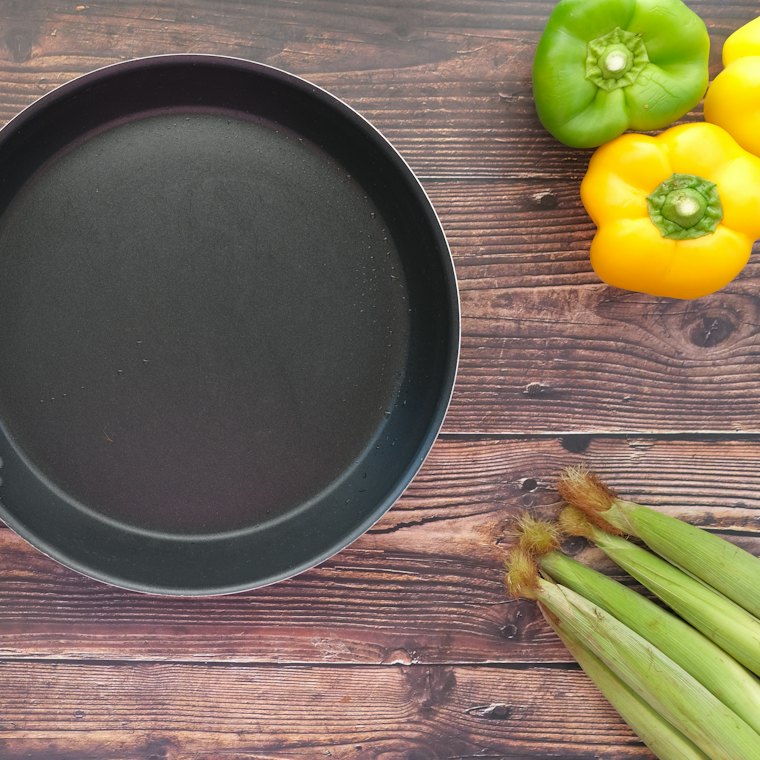
Nonstick frying pan coatingPFAS · Nonstick
Baking sheet panBakeware
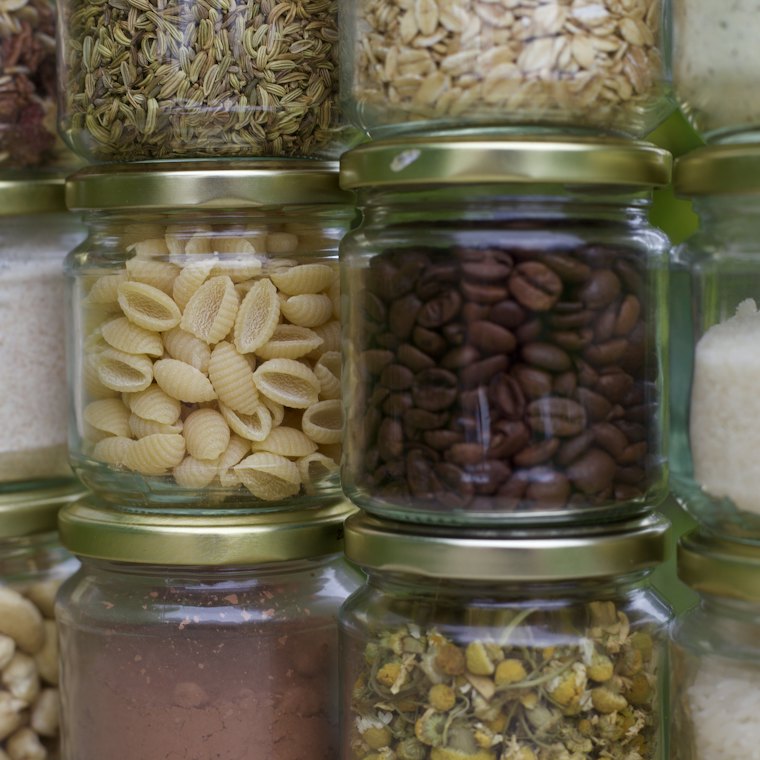
Glass food storage containersStorage
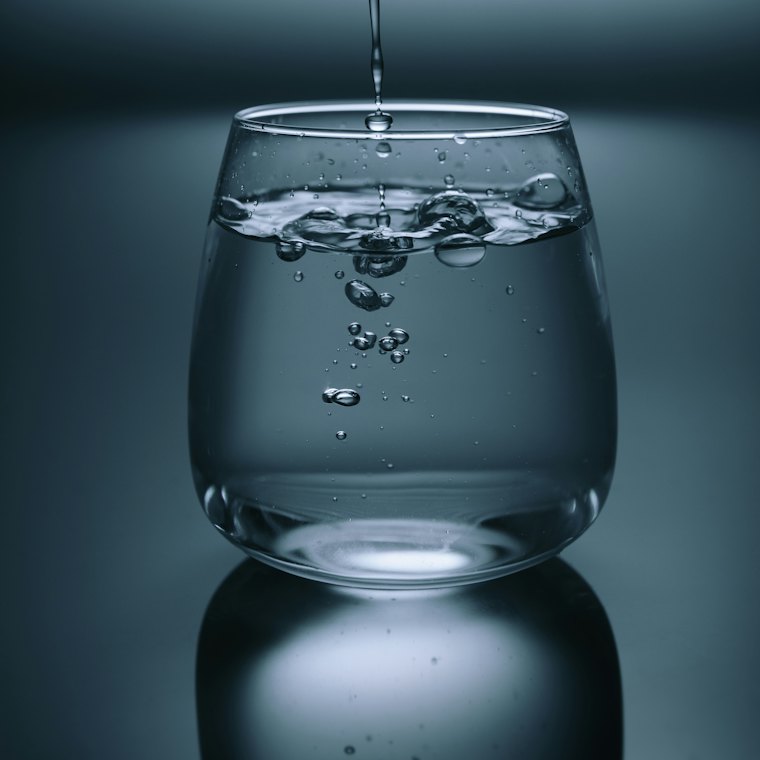
Pouring a glass of waterWater
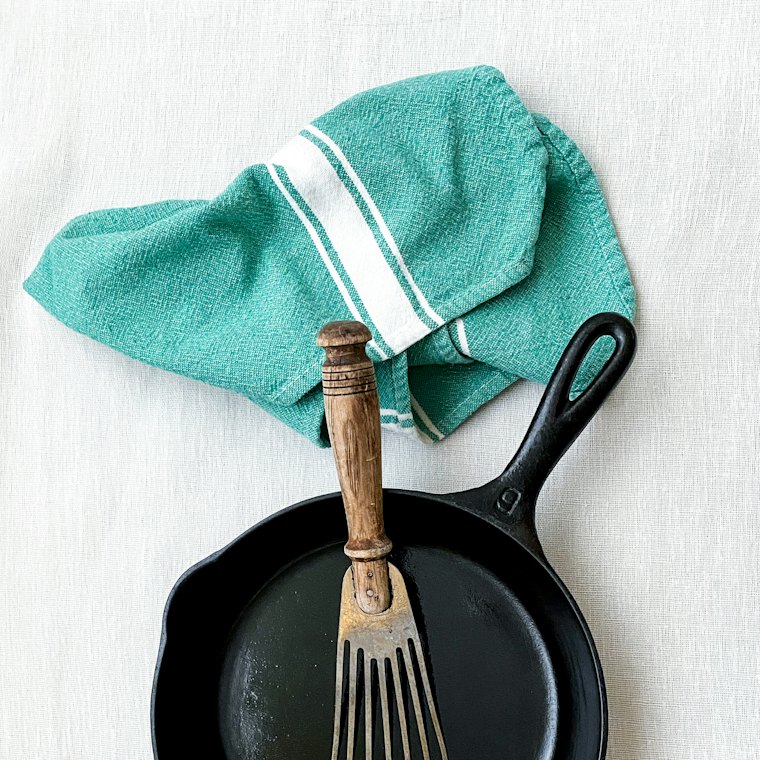
Cast iron skilletMaterials
Kitchen blenderAppliances
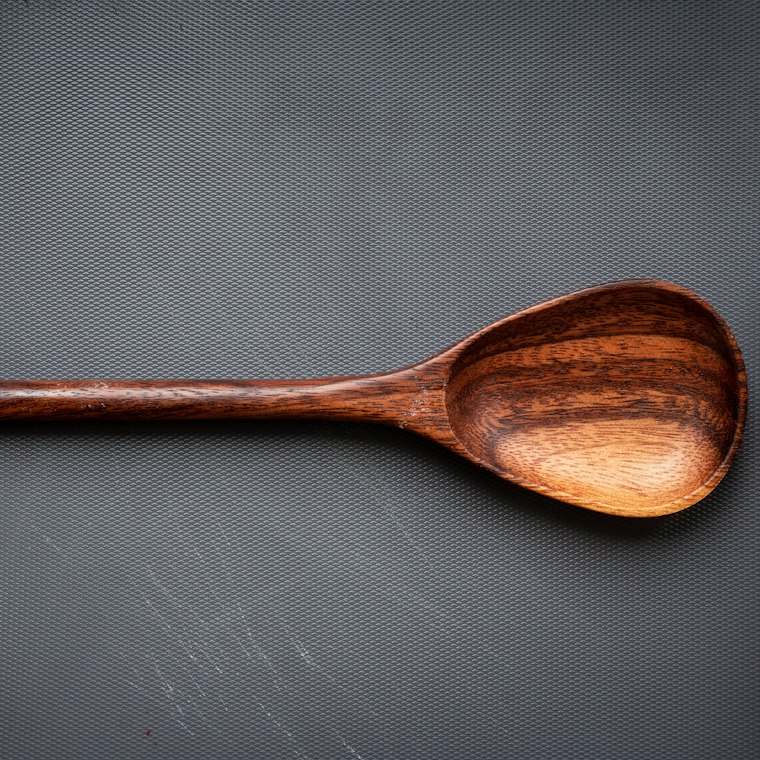
Wooden cooking utensilsTools
116
Guides · every claim cited
Scroll to read ↓
CHAPTER 01

Start by category

Every category comes down to the same question, what's touching your food, and what does it release. Pick where to dig in.

THE PRIMER

What "non-toxic" actually means

"Non-toxic" isn't a regulated term, on a label it can mean almost anything. So we ignore the word and read the chemistry: what a material is made of, and what the research says can migrate into food.

01

Coatings & PFAS

In cookware, the concern is PFAS, the "forever chemicals" (including PTFE/Teflon and, historically, PFOA). The EPA describes PFAS as a family of thousands of compounds, which is exactly why "PFOA-free" and "PFAS-free" are not the same claim.

02

Plastics & leaching

In storage, it's BPA and its substitutes (BPS, BPF), phthalates, and microplastics, compounds some studies link to health effects that can migrate under heat or wear. "Food-grade" and "BPA-free" are largely unregulated, so we explain what they do and don't guarantee.

03

Metals & glazes

In metals the questions are narrower and better quantified: trace nickel and chromium can leach from new stainless steel, and lead or cadmium can appear in some imported glazes and enamels. Where the evidence is strong we say so; where it's thin, we say that too.

None of this is medical advice. It's a plain-English reading of what regulators and peer-reviewed research report, with every claim linked to its source, our job is to translate the evidence, not to sell you a scare.

CHAPTER 02

What we investigate

The three classes of concern behind "non-toxic", explained, not asserted.

79%

PFAS & coatings

Of tested "green" nonstick pans still relied on the same fluorinated family. PFOA-free ≠ PFAS-free.

The science →
BPA/BPS

Plastics & leaching

What migrates from storage and "food-grade" plastics, and what the terms leave undefined.

The science →
Pb·Cd

Heavy metals

Lead and cadmium in some glazes and enamels; nickel in stainless, the real numbers, cited.

The science →
WHERE TO START

The guides most
people need first

Start with what you use every day. Each guide opens with an at-a-glance comparison and ranks by published evidence.

THE COMPARISON

Six materials,
one honest table.

We rank by disclosed chemistry and third-party certification, and say plainly where the evidence runs out.

Stainless steel cookware

Stainless steel

No coating. Non-reactive. Minor nickel note.

Cast iron cookware

Cast iron

Coating-free, seasoned. Adds dietary iron.

100% ceramic cookware

100% ceramic

Kiln-fired, inert, distinct from coated.

Ceramic-coated cookware

Ceramic-coated

Easy release; coating wears ~1-3 yrs.

Carbon steel cookware

Carbon steel

The chef's coating-free non-stick.

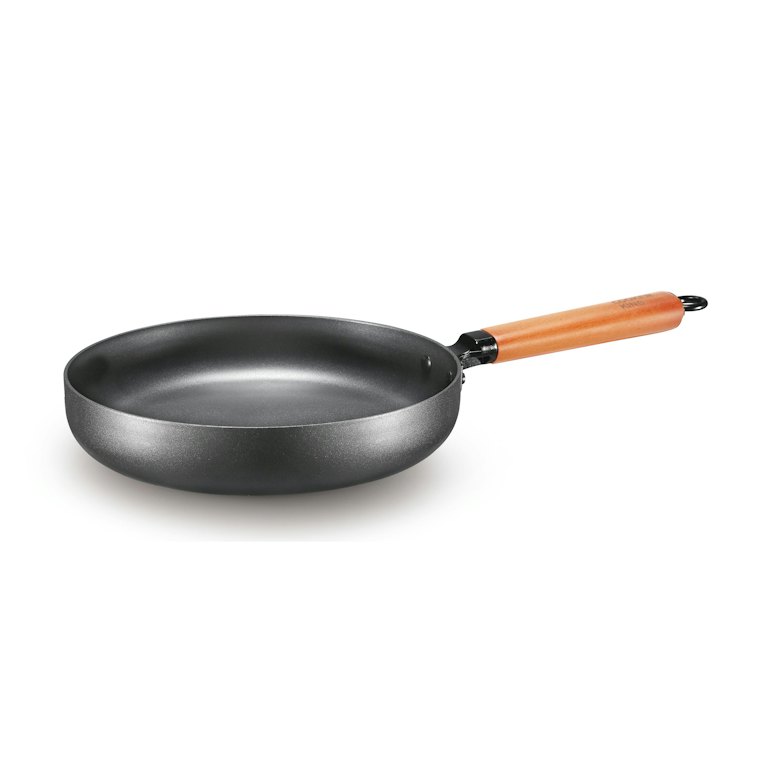
Traditional non-stick cookware

PTFE non-stick

PFAS family; fumes if overheated.

MaterialCoatingPFASHeavy-metal noteLifespanBest for
Stainless steelNoneNoneTrace nickel/chromium (new pans)DecadesEveryday, searing
Cast ironNoneNoneAdds dietary ironGenerationalHigh heat, retention
100% ceramicNoneNoneInert with an unleaded glazeYears (brittle)Non-reactive cooking
Carbon steelNoneNoneAdds dietary ironGenerationalChef-style non-stick
Ceramic-coatedSol-gelClaimed freeVerify glaze source~2–5 yrsEasy release
Traditional non-stickPTFEPFAS family, ~3–5 yrs,

Illustrative summary for layout review · each figure is cited on the full cookware guide.

HOW WE RESEARCH

Evidence over
marketing claims

We don't run a test kitchen or a lab. Every guide is built the same transparent way, and we tell you what the evidence can't yet settle.

01

Read the specs

We start from manufacturer specifications and third-party certifications (NSF/ANSI, Prop 65), not the marketing page.

02

Cite the science

Every health or safety statement links to an authoritative source: the EPA, FDA, NIH, or peer-reviewed research.

03

Rank by evidence

Products are ranked on published test data and aggregated verified-owner reviews, and we flag what is still uncertain.

S

Skyler , Founder & Editor

I started Non-Toxic Kitchen Co. to cut through vague "non-toxic" labels by organizing what authoritative sources actually say. These guides are research syntheses, not paid placements or hands-on lab tests, and every claim is cited. Read our full methodology →

THE SCIENCE

From the research desk

Short, cited explainers that answer the questions behind every buying decision.

FAQ

Frequently Asked Questions About Non-Toxic Kitchens

The questions we get most, with hedged, cited answers, and links to the full guide.

What does "non-toxic" cookware actually mean?

There is no legal definition. In practice, shoppers use it to mean cookware without a PFAS/PTFE non-stick coating and without lead or cadmium in any glaze. Because the term is unregulated, we evaluate the specific material and coating rather than the label.

What is the safest cookware material?

By current evidence, coating-free materials, stainless steel, cast iron, carbon steel, and 100% ceramic, carry the fewest open questions, because there is no non-stick coating whose chemistry can wear or leach.

Is ceramic-coated cookware safe?

Sol-gel ceramic coatings are marketed PFAS-free and are widely used. The main honest caveat is durability: coatings typically degrade over roughly 2–5 years, after which non-stick performance drops. "Ceramic coating" is also different from 100% kiln-fired ceramic.

Do "PFAS-free" and "PFOA-free" mean the same thing?

No. "PFOA-free" rules out a single compound that was largely phased out years ago; PFAS is a family of thousands. Look for a broader "PFAS-free" disclosure, and remember both terms are largely unregulated.

Are glass containers really better than plastic?

Glass and stainless steel don't shed microplastics or leach BPA and phthalates the way some plastics can under heat or wear, which is why we favor them for storage. The trade-offs are weight and breakability, not chemistry.

How does Non-Toxic Kitchen Co. make money?

Through affiliate links, including the Amazon Associates program. If you buy through a link we may earn a commission at no extra cost to you, and it never changes our rankings, which are based on published evidence.