NTKCEST · 2026
The 2026 Roundup · 5 picks · enameled cast iron & ceramic

Best Non-Toxic
Dutch Oven of 2026

The best non-toxic dutch oven is coating-free by tradition: enameled cast iron that seals the iron in fused glass, with no PFAS and no seasoning. "Non-toxic" is not a regulated term, so we read the material, which for a Dutch oven means the enamel and whether the maker documents lead and cadmium compliance. We rank documented enameled cast iron and solid ceramic first, then a ceramic-coated pot, ranked honestly.

EPA·FDA·Prop 65·NIH·Every claim cited
SWritten by Skyler, Founder & Editor · Last updated Sep 2026
5Dutch ovens researched
5authoritative sources cited
2non-toxic materials compared
$–$$$$every budget covered

Key Takeaways

  • With a Dutch oven, the iron or clay is the easy part. The enamel, the knob and any coating are where non-toxic is actually decided.
  • Our top pick is Le Creuset: The benchmark enameled Dutch oven: no coating, no seasoning, with documented heavy-metal compliance.
  • Fewest open questions
  • Non-Toxic Kitchen Co. ranks every dutch oven by material science and disclosed evidence, not marketing claims, with each safety point cited. Compare safer picks in our guide.
Disclosure: Some links are affiliate links. If you buy through one we may earn a commission at no extra cost to you, and it never changes our evidence-based rankings. Full affiliate disclosure →

01What "Non-Toxic" Means for the Best Non-Toxic Dutch Oven

With a Dutch oven, the iron or clay is the easy part. The enamel, the knob and any coating are where non-toxic is actually decided.

The best non-toxic dutch oven is coating-free by tradition. The classic choice is enameled cast iron, where iron is sealed in a fused-glass enamel rather than a synthetic non-stick coating, so it has no PFAS and needs no seasoning. Bare cast iron and 100% ceramic are also coating-free. "Non-toxic" is not a regulated term, so we read the material: for a Dutch oven, that means the enamel.

Enamel is glass, not a fluoropolymer, so a well-made enameled Dutch oven is PFAS-free by nature, and the family the EPA describes does not apply. The real question is lead and cadmium: independent testing has flagged elevated heavy metals in some cheap, brightly colored imported enamels, a concern regulated under Proposition 65. So the safest path is a maker that documents its enamel meets United States and California limits.

Two practical details shape the pick. First, the knob: a stainless knob is oven-safe to very high temperatures, while a phenolic (plastic) knob is usually rated lower, which caps your oven-safe temperature. Second, enamel handles acidic foods like tomato and wine braises that bare cast iron struggles with. The FDA regulates enamel as a food-contact material, and we avoid any Dutch oven with a PTFE non-stick lining, which reintroduces the coating you came here to skip.

02 · METHOD

How we researched
and vetted these picks

We do not run a test kitchen or a lab. Rankings are a transparent synthesis of what makers disclose and what regulators say, and we flag what the evidence cannot settle.

01

Read the disclosures

We start from manufacturer specifications, published third-party lab reports and certifications, not the marketing page.

02

Cite the science

Every health or safety statement links to the EPA, FDA, Prop 65, NIH or peer-reviewed research.

03

Rank by evidence

Picks are ranked on disclosed chemistry, third-party grade and aggregated verified-owner reviews, never on hands-on cooking or our own lab tests, which we do not do.

03 · AT A GLANCE

All 5 picks compared
by material, enamel disclosure and knob heat rating

Ranked by disclosed chemistry and certification. Price tiers are relative; live prices load per pick.

Dutch ovenMaterialEnamel/coatingPFAS-freeKnob heatPriceCheck price
Le CreusetEnameled cast ironGlass enamel (no PFAS)InherentStainless$$$$View →
StaubEnameled cast ironMatte enamel (no PFAS)InherentHigh-heat$$$$View →
LodgeEnameled cast ironGlass enamel (no PFAS)InherentPhenolic$$View →
Great JonesEnameled cast ironEnamel (disclosure limited)InherentStainless$$$View →
Xtrema100% ceramicNone (solid)InherentN/A$$$View →

Summary for comparison, disclosures and prices are cited and loaded per product on the final build.

THE PICKS · RANKED

Documented enamel first,
coated ceramic last

We rank by material and disclosure: enameled cast iron that documents its lead and cadmium compliance leads, solid ceramic follows, and a ceramic-coated pot comes last because a coating wears where enamel does not. No PTFE-lined pot makes the list.

Le Creuset best non-toxic dutch oven★ Best overall1

Le Creuset

Best overall · enameled cast iron, lead/cadmium disclosed

The benchmark enameled Dutch oven: no coating, no seasoning, with documented heavy-metal compliance.

Best for: acidic braises, sauces and stovetop-to-oven cooking

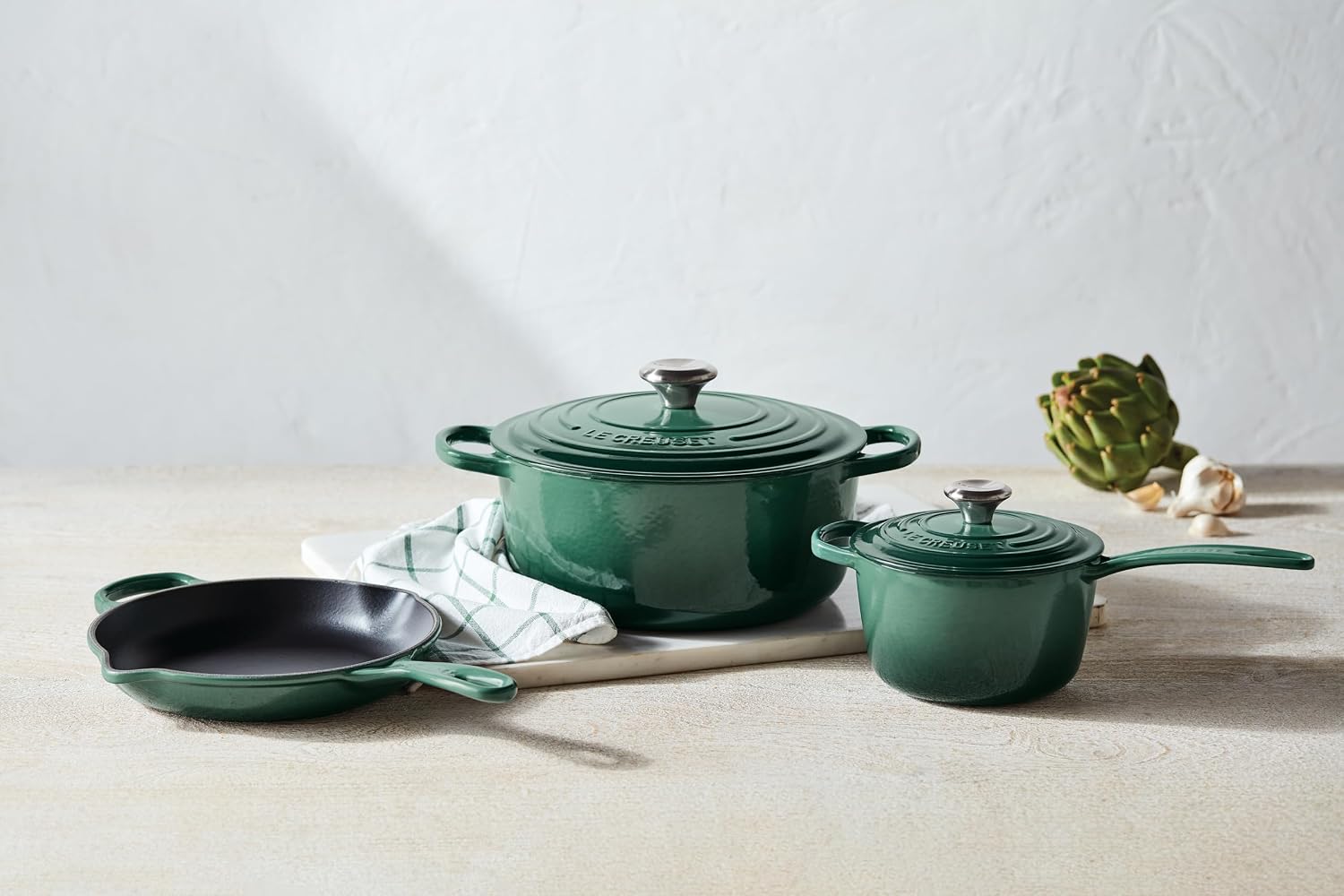
Le Creuset is the reference enameled cast iron Dutch oven. The iron is sealed in a fused-glass enamel rather than a synthetic coating, so it contains no PFAS, needs no seasoning, and handles the acidic braises bare cast iron cannot. The brand publishes that its enamels meet United States and California limits for lead and cadmium, exactly the disclosure this category needs.

It ships with a stainless knob rated for high oven temperatures, so it is oven-safe well beyond a phenolic-knob pot. The honest trade-offs are price and weight: it is expensive and heavy, and the enamel can chip if dropped. For a do-everything non-toxic Dutch oven with real disclosure, it is the one to beat.

Enameled cast ironGlass enamel (no PFAS)Lead/cadmium disclosedStainless knobAcid-safe

Strengths

  • +Braises, sauces and searing
  • +No seasoning, easy to clean
  • +Documented heavy-metal compliance

Trade-offs

  • –Premium price, heavy
  • –Enamel can chip if dropped
  • –Cheap imported enamels can leach
Typical price$$$$

✓ Ranked first on coating-free chemistry and disclosed enamel, a commission never changes that.
Staub best non-toxic dutch ovenBest premium2

Staub

Best premium braiser · matte black interior enamel

A specialist cocotte with a matte interior many cooks prefer for searing before a braise.

Best for: cooks who sear often before a long braise

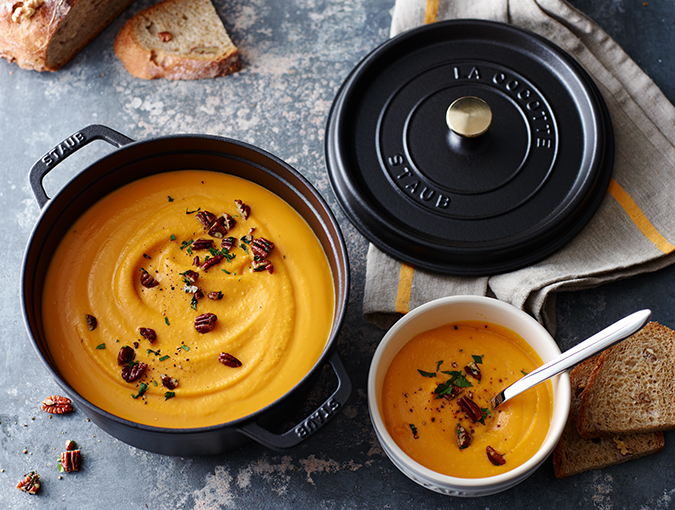
Staub is the specialist enameled braiser, a cast-iron cocotte with a rougher matte-black interior enamel that many cooks favor for searing before a long braise. It is PFAS-free by construction and documents its enamel compliance with lead and cadmium limits, so it sits firmly in the coating-free group despite the glaze.

The lid often has self-basting spikes and a knob rated for high oven heat. It shares the category caveats of premium price and real weight, and enamel that can chip if dropped. But the matte interior and disclosed enamel make it a genuinely non-toxic workhorse for slow cooking.

Enameled cast ironMatte enamelLead/cadmium disclosedHigh oven-safeSear-friendly

Strengths

  • +Matte enamel sears well
  • +Excellent for braises
  • +Documented enamel compliance

Trade-offs

  • –Premium price, heavy
  • –Enamel can chip if dropped
  • –Fewer color and size options
Typical price$$$$

✓ Ranked on coating-free chemistry and disclosed enamel, not brand shine.

Lodge Enameled best non-toxic dutch ovenBest value3

Lodge Enameled

Best value · enameled cast iron at a low price

Enameled cast iron with the coating-free advantages of the premium names, for far less.

Best for: most kitchens that want an affordable non-toxic Dutch oven

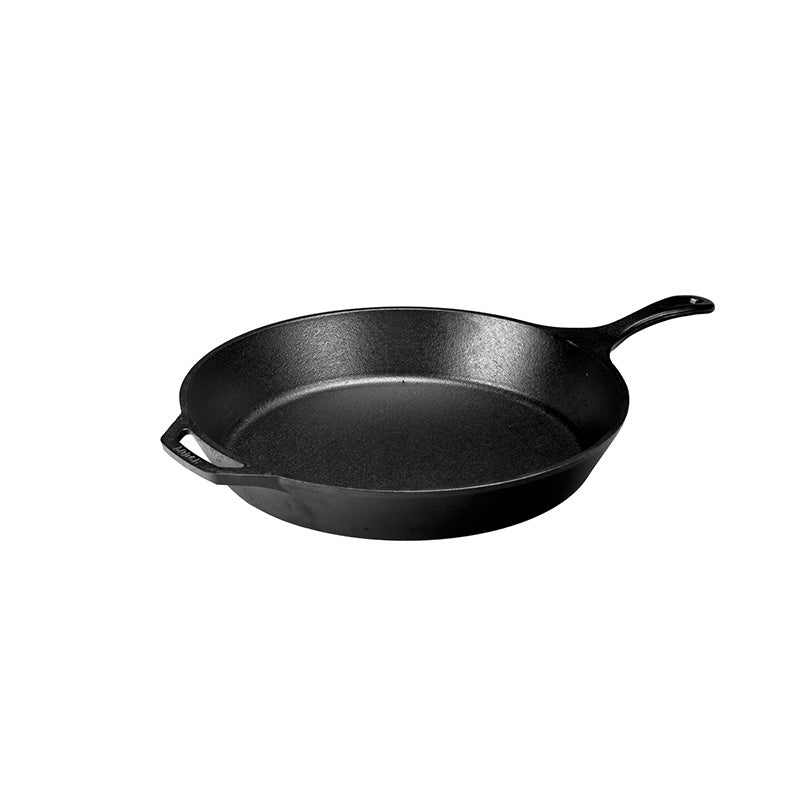
Lodge Enameled Cast Iron brings the same fused-glass enamel over iron to a budget price. It is PFAS-free by construction, needs no seasoning, and handles acidic braises, so it delivers the core non-toxic advantages of the premium brands for a fraction of the cost. The manufacturer states its enamel meets applicable safety standards.

The trade-offs are a slightly less refined finish and often a phenolic knob, which caps the oven-safe temperature lower than a stainless knob; you can swap in a stainless knob if you want higher heat. Enamel can still chip, and the pot is heavy. As value enameled cast iron, it is hard to beat.

Enameled cast ironGlass enamel (no PFAS)No seasoningPhenolic knobAcid-safe

Strengths

  • +Enameled cast iron on a budget
  • +No seasoning, acid-safe
  • +Widely available

Trade-offs

  • –Phenolic knob limits oven temp
  • –Less refined finish
  • –Heavy pot
Typical price$$

✓ Ranked on coating-free chemistry and value, not brand shine.

Enameled cast iron or ceramic?

Our cookware hub explains documented enameled cast iron versus solid ceramic in plain English, then points you to the right pot.

Compare Dutch oven options →
Best design4

Great Jones The Dutchess

Best design · enameled cast iron

A design-forward enameled cast iron Dutch oven in a range of colors.

Best for: buyers who want a stylish enameled pot

Great Jones makes The Dutchess, an enameled cast iron Dutch oven aimed at style-conscious kitchens, with the same fused-glass enamel over iron that makes the category PFAS-free and seasoning-free. It handles acidic braises and moves from stovetop to oven like other enameled pots.

Great Jones does not publish the same detailed heavy-metal disclosures as Le Creuset or Staub, so we hedge and rely on its statements plus aggregated owner reviews rather than treating compliance as documented. If design matters and you accept that lighter disclosure, it is an attractive enameled option, ranked below the pots that publish more.

Enameled cast ironGlass enamel (no PFAS)No seasoningColorful designsAcid-safe

Strengths

  • +Attractive, colorful designs
  • +Enameled, no seasoning
  • +Acid-safe braising

Trade-offs

  • –Lighter public disclosure
  • –Premium price for the segment
  • –Enamel can chip if dropped
Typical price$$$

✓ Ranked on coating-free chemistry, hedged where enamel disclosure is thinner.

Xtrema best non-toxic dutch ovenBest 100% ceramic5

Xtrema

Best 100% ceramic · solid, coating-free

A solid ceramic pot with no coating and no metal, fully inert for slow cooking.

Best for: the coating-averse who want no metal at all

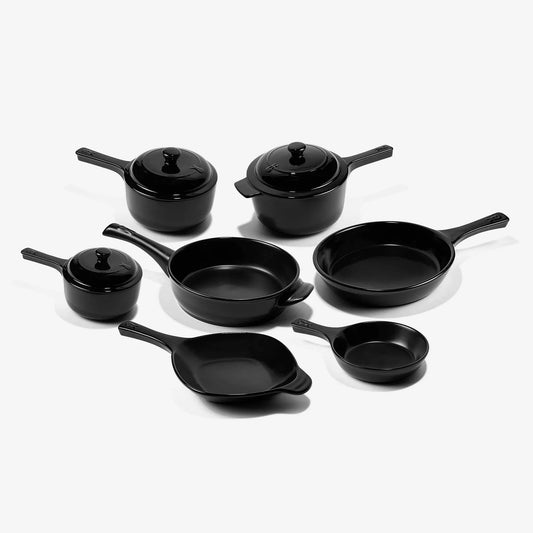
For a Dutch oven with no metal and no coating at all, Xtrema makes solid 100% ceramic pots, kiln-fired clay all the way through. There is no enamel and no sol-gel layer, nothing to chip into food, and the brand publishes third-party PFAS, lead and cadmium testing. It is inert and non-reactive, ideal for long, gentle braises.

The trade-offs are brittleness and heat behavior: solid ceramic can crack from thermal shock or a hard drop, and it heats slowly and evenly rather than searing. It is a specialist choice rather than an all-rounder, but for anyone who wants the most inert possible pot, it is the truest coating-free option here.

100% ceramicNo coatingThird-party testedNon-reactiveVery high heat

Strengths

  • +Fully inert, no metal or coating
  • +Publishes third-party testing
  • +Great for gentle braises

Trade-offs

  • –Brittle, thermal-shock risk
  • –Heats slowly, not for searing
  • –Heavier handling
Typical price$$$

✓ Ranked in the coating-free group because solid ceramic has nothing to chip or leach.

04Chemicals and coatings to avoid in Dutch ovens

What to screen out

Avoid any Dutch oven with a PTFE or other synthetic non-stick lining, which reintroduces the PFAS family that enamel and ceramic naturally avoid; the EPA notes that "PFOA-free" does not mean "PFAS-free." Be cautious with cheap, brightly colored imported enamel, where lead or cadmium can appear in the glaze, a concern regulated under Proposition 65. And check the knob: a low-rated phenolic knob caps your oven temperature, so swap in a stainless knob if you braise hot. Treat an undisclosed enamel as unknown.

05The safest materials, by current evidence

Fewest open questions

A well-documented enameled cast iron Dutch oven carries the least uncertainty: the glaze is fused glass, not a synthetic coating, and the best makers publish lead and cadmium compliance. Solid 100% ceramic is the next choice, fully inert with published testing. Bare cast iron pots such as those from Lodge or Lancaster are also coating-free if you accept seasoning. The FDA regulates all of these as food-contact materials; the enamel disclosure is the signal we weigh most.

06How to choose the best non-toxic dutch oven

  • 1Start with enameled cast iron. It is coating-free, needs no seasoning, and handles acidic braises. For most cooks it is the default non-toxic Dutch oven.
  • 2Demand enamel disclosure. Enamel is glass, not PFAS, but cheap imported glazes have tested high for lead and cadmium. Favor makers that document compliance and check the Prop 65 status.
  • 3Check the knob rating. A stainless knob is oven-safe to very high temperatures; a phenolic knob is usually rated lower. If you braise hot, choose stainless or plan to swap the knob.
  • 4Skip PTFE linings. A Dutch oven does not need a non-stick coating. Any PTFE lining reintroduces PFAS and wears out, so avoid coated non-stick pots.
  • 5Consider weight. Enameled cast iron is heavy. If that is a problem, a solid ceramic or a lighter ceramic-coated pot is easier to lift, with the trade-offs noted.
  • 6Match size to your cooking. A pot in the middle of the size range covers most braises, soups and breads. Buy the capacity you will actually use rather than the largest.

07What the evidence doesn't settle

We cannot test every batch of every enamel, so we rely on published lead and cadmium disclosures and treat undocumented glazes as unknown. Independent long-term data on migration from an intact ceramic coating is limited, and sol-gel recipes are proprietary. "Non-toxic" remains an unregulated marketing term, so we rank by material and disclosure, hedge where the science is thin, and update as better evidence publishes.

FAQ

Frequently Asked Questions About Dutch Oven

The questions shoppers ask most, with hedged, cited answers.

Is enameled cast iron non-toxic and lead-free?

The enamel is fused glass over iron, not a synthetic coating, so it is PFAS-free and needs no seasoning. The concern is lead or cadmium in cheap imported glazes. Choose a maker that publishes compliance with United States and California limits, and the enamel is considered stable for cooking.

Is Le Creuset or Staub safe?

Both are enameled cast iron that is PFAS-free by construction, and both document that their enamels meet lead and cadmium limits. That published compliance is why they rank at the top; the main downsides are price and weight.

Does a Dutch oven need PFAS or Teflon to be non-stick?

No. Enameled cast iron and solid ceramic are naturally suited to braising and slow cooking without any non-stick coating. A PTFE lining is unnecessary and reintroduces the PFAS family, so we avoid coated non-stick Dutch ovens.

Is Lodge enameled cast iron safe?

Lodge enameled cast iron uses the same fused-glass enamel over iron as premium brands and is PFAS-free by construction, and the manufacturer states its enamel meets applicable safety standards. It is our value pick; note the phenolic knob caps the oven temperature unless you swap it.

Can you cook acidic foods like tomato sauce in a Dutch oven?

Yes, in an enameled or solid ceramic Dutch oven. The glaze and the ceramic are non-reactive, so acidic braises and tomato sauces are fine. Bare cast iron is reactive with acid until well seasoned, so enamel is the better choice for those dishes.

What temperature can a non-toxic Dutch oven handle?

The pot itself usually tolerates high oven heat, but the knob is the limit. A stainless knob is often rated to very high temperatures, while a phenolic knob is typically lower. Check the maker rating, and swap to a stainless knob if you need more.

Should the knob be stainless?

For high-heat braising, a stainless knob is the safer choice because it tolerates higher oven temperatures than a phenolic plastic knob. Many pots let you swap a phenolic knob for a stainless one to raise the oven-safe limit.
S

Skyler, Founder & Editor

I started Non-Toxic Kitchen Co. to cut through vague "non-toxic" labels by organizing what authoritative sources actually say. These rankings are research syntheses of manufacturer specs, third-party lab reports and aggregated verified-owner reviews, not hands-on cooking or our own lab tests, and every safety claim is cited. Read our full methodology →

08Sources & further reading

Every safety statement on this page links to a primary or authoritative source. The bodies we rely on most:

Related guides: Lodge vs. Le Creuset

Informational only, not medical advice. This guide translates what regulators and peer-reviewed research report. It does not diagnose, treat, or make safety guarantees. Consult a qualified professional for medical guidance.

Ready to braise coating-free?

Start with our overall enameled cast iron pick for a documented, do-everything pot, save with the value enameled option, or choose solid ceramic for the most inert pot of all.

See the No. 1 Dutch oven pick → Back to the cookware hub →