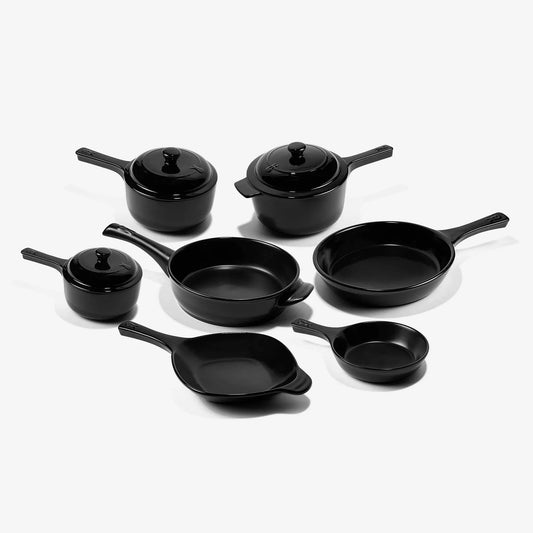
This Xtrema cookware review examines the one brand making the boldest non-toxic claim in the category: 100% kiln-fired ceramic, with no metal core and no non-stick coating to wear away. Xtrema publishes third-party leach testing for lead, cadmium and PFAS, which is rare. The honest trade-offs are slow, gentle heating and real fragility. This research-based review explains what Xtrema is, weighs the Lead Safe Mama testing controversy against the brand's leach data, and says who it suits and who should look elsewhere.
✓ Research-based rating, a commission never changes our verdict.
The verdict, in one line
Xtrema is our top coating-free ceramic pick because there is no non-stick layer to shed and the brand actually publishes third-party leach testing for lead, cadmium and PFAS. The price you pay is not money alone: it heats slowly, eggs stick without fat, and solid ceramic can crack from thermal shock or a hard drop. For patient cooks who want the least coating chemistry possible, it is excellent. For fast weeknight cooking or the lowest cost, cast iron and stainless are better fits.
Xtrema is 100% kiln-fired ceramic: no aluminum core, no steel base, and no sprayed-on non-stick layer to degrade.
Most cookware sold as "ceramic" is metal with a thin sol-gel ceramic coating that wears out in a few years. Xtrema is different in kind, not degree. Each piece is a solid ceramic body finished with a fired glaze, so there is no coating to flake, no metal to leach, and nothing that reaches an end-of-life the way a non-stick surface does.
The glaze itself is described by the brand as silica and quartz with mineral oxides, fused to the ceramic body at high temperature. That construction is why Xtrema can claim to be free of the PFAS family by design rather than by reformulating a coating. It is also why the pans are rated for the oven, broiler, microwave and dishwasher, and up to very high temperatures.
Xtrema is a product of Ceramcor, a US-based company, and the cookware is handcrafted in China. The line is sold open-stock, so you buy the fry pan, saucepan or Versa pot you need rather than committing to one boxed set. The catch, and the reason this pan divides people, is that solid ceramic behaves nothing like metal on the stove.
Xtrema at a glance
Xtrema's biggest safety advantage is structural. With no non-stick coating and no metal core, there is no fluoropolymer layer to shed, which makes it PTFE-free, PFOA-free and PFAS-free by construction. The EPA describes PFAS as a family of thousands of persistent compounds, and the FDA regulates the coatings used for food contact; a solid-ceramic body sidesteps that entire category.
The harder question is heavy metals. Any fired glaze can in principle contain lead or cadmium, which is why California Proposition 65 sets limits and why independent testers scrutinize glazed cookware. Xtrema states its glaze uses silica and mineral oxides, and it publishes third-party leach-test summaries showing lead and cadmium below regulatory limits. That published testing is the main reason it leads the coating-free tier, though it is a brand-supplied claim rather than a guarantee, and one prominent tester has disputed it (covered below).
"Non-toxic" has no legal definition, so the honest approach is to weigh what the brand discloses against independent findings and let you decide. Xtrema discloses more than almost any competitor. The open question, as with all glazed ceramic, is the gap between total metal content and what actually leaches into food.
100% ceramic: what it is & what it isn't
Informational only, not medical advice. We describe what the maker and regulators disclose, we do not diagnose or make safety guarantees.
See today's Xtrema price
Coating-free 100% ceramic with published leach testing · a commission never changes our verdict
Xtrema behaves like the ceramic it is. It heats slowly, often six minutes or more to bring water to a boil, and it holds heat well once there, so the technique is low-to-medium heat and patience rather than high-heat searing. Push it hot and fast and you invite both sticking and stress on the material.
The surface is genuinely scratch-resistant and rated to very high temperatures, with the brand citing tolerance up to roughly 2,500°F. But solid ceramic is brittle. Thermal shock, such as a hot pan meeting cold water, or a hard drop can crack or shatter it. Treat it as durable in daily use and fragile to abuse, and it can last for many years.
The strongest public challenge to Xtrema's safety story comes from Lead Safe Mama (Tamara Rubin), an independent advocate who uses XRF instruments to screen consumer goods for metals. Her published readings on an Xtrema Versa pot reported roughly 16,400 ppm lead and 766 ppm cadmium on a component of the pot, figures that understandably alarm shoppers.
Here is the distinction that matters, and that many headlines skip: an XRF reading measures the total metal content in a material, including layers a utensil never touches. It does not measure how much metal actually leaches into food. Regulators such as the FDA and California Prop 65 care primarily about leachable, food-contact exposure, which is why a high total-content reading and a passing leach test can both describe the same object.
Xtrema responded by disputing the methodology and pointing to its own third-party leach tests, which it says show lead and cadmium below regulatory limits, along with Prop 65 compliance. We cannot independently adjudicate the disagreement, and we have not tested any pan. Our read is that both facts can coexist: the glaze may carry detectable metals by XRF while still passing food-contact leach limits. Strict buyers who want zero detectable heavy metals may prefer bare stainless or cast iron; buyers focused on food-contact exposure will weigh the published leach data heavily.
Xtrema sells open-stock pieces rather than pushing one big boxed set, which fits its buy-what-you-need positioning. The core lineup runs from small fry pans and skillets through saucepans and stockpots, plus the versatile Versa pot, a deep saucepan-stockpot hybrid that doubles for soups, sauces and grains.
Because every piece is solid ceramic, the same rules apply across the range: preheat gently, keep to low-to-medium heat, add fat before eggs or lean proteins, and avoid thermal shock. None of the pieces are induction-compatible on their own, so an interface disc is required for induction cooktops.
Because we do not cook on the pans, we lean on aggregated verified-owner reviews for real-world signals, and the themes are consistent. Owners praise the reassurance of a coating-free surface and the easy cleanup, and many report the ceramic is tougher against scratches than sprayed non-stick.
The recurring complaints track the material honestly: it heats slowly and unevenly if rushed, eggs and lean foods stick without enough fat or preheating, and a meaningful minority report cracking from thermal shock or drops. Read together, these are less defects than the trade-offs of choosing solid ceramic over metal.
The point of a pan like this is what it leaves out. Conventional non-stick relies on fluoropolymer coatings in the PFAS family, which the EPA and NIH/NIEHS track as persistent compounds. A solid-ceramic pan carries none of that coating chemistry.
The materials worth screening in any cookware are the ones this category is built to avoid: PFAS-based non-stick, and lead or cadmium in glazes and enamels. With Xtrema the coating question is settled by design; the glaze question is where the published leach testing, and your own risk tolerance, come in. For the most conservative choice, uncoated stainless steel and bare cast iron remove the glaze question entirely.
This Xtrema cookware review is research-based, not hands-on. We did not sear, boil or drop-test any pan. Instead we synthesized the manufacturer's published specifications and third-party leach-test summaries, independent testing coverage including Lead Safe Mama, material science on fired ceramic glazes, and aggregated verified-owner reviews, with every safety point tied to a primary source.
What we cannot verify without a lab and a kitchen: the exact heavy-metal leach behavior over years of real use, and precise heat-up times in your setup. On price, Xtrema sits at the premium end of cookware, though open-stock pieces let you start small. For a coating-free pan you may never replace, many buyers consider that fair; for others, cast iron delivers coating-free cooking for far less.
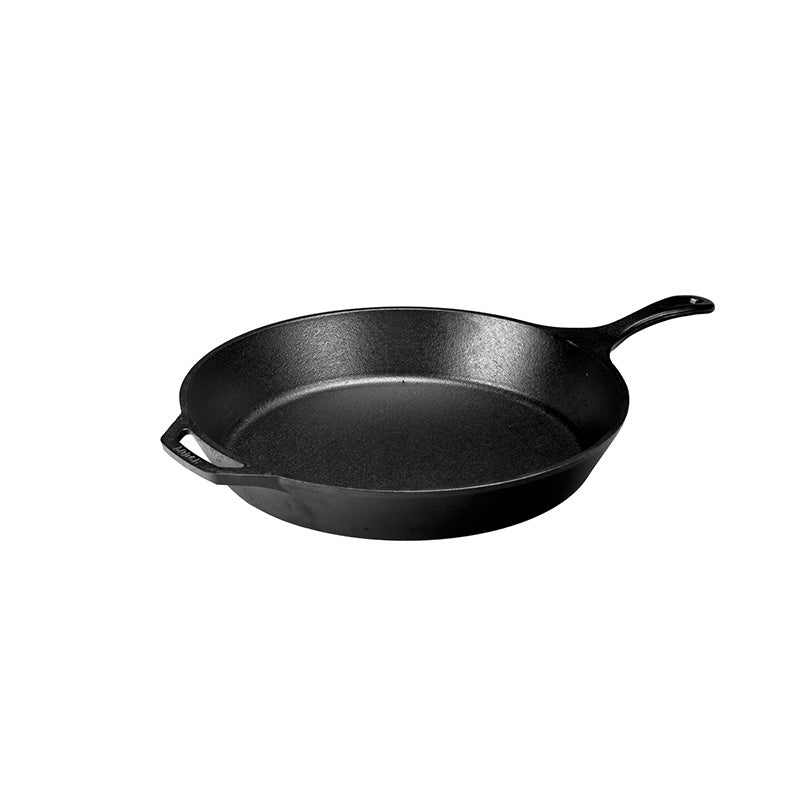
Xtrema is the coating-free ceramic option; the usual alternatives are coating-free metals that heat faster and cost less. Two we would point you to first:
The questions shoppers ask most, with hedged, cited answers.
Every safety statement in this review links to a primary or authoritative source:
Informational only, not medical advice. This review translates what the maker and regulators report. It does not diagnose, treat, or guarantee safety. Consult a qualified professional for medical guidance.
Xtrema is the coating-free ceramic pick for patient cooks who want published safety testing and no non-stick layer at all. Want faster heat or a lower price? Coating-free metal is the move.