15Zwilling alternatives
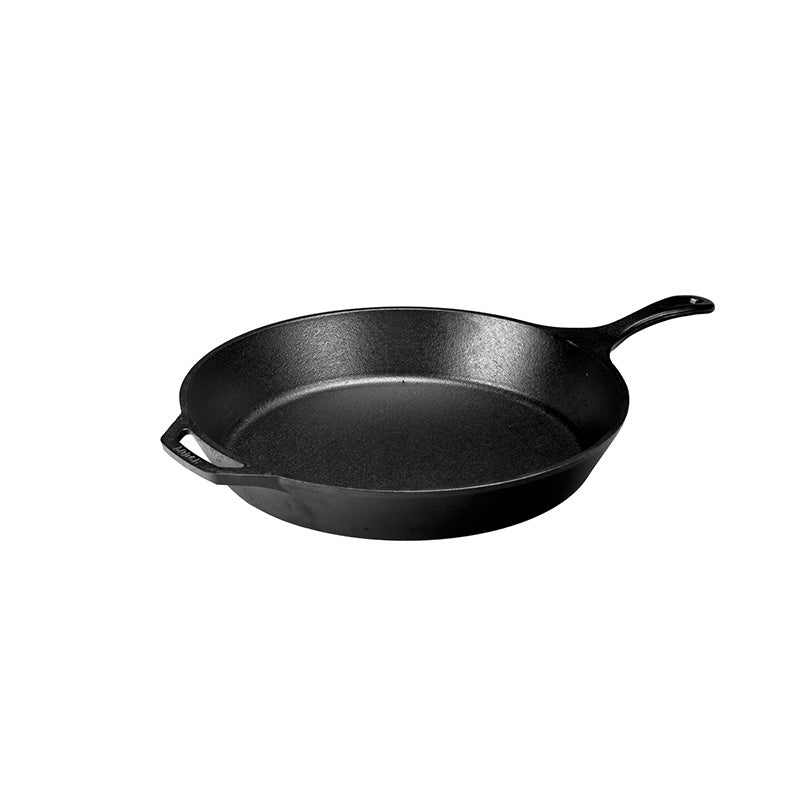
If you want coating-free longevity without sorting through a catalog, these two are the cleanest non-toxic choices, and both outlast any coated Zwilling line:
This Zwilling cookware review answers a question that is genuinely harder than it looks: is Zwilling non-toxic? Because Zwilling J.A. Henckels spans inert stainless steel, PFAS-free ceramic non-stick, and conventional PTFE lines, the honest answer is line-dependent, and the brand name alone tells you little. This is a research-based review, not hands-on cooking. We synthesize the maker's published specs, material science, country-of-origin disclosures, and aggregated verified-owner reviews, with every safety claim cited, so you can pick the right Zwilling line instead of guessing.
✓ Research-based rating, a commission never changes our verdict.
The verdict, in one line
Zwilling is not one product, it is a catalog, so "is Zwilling non-toxic" depends entirely on the line. The stainless lines (Spirit tri-ply, Aurora 5-Ply, Vitale) are bare 18/10 steel with no coating, which makes them the most defensible non-toxic choice and a fair value against premium American clad. The ceramic lines (Energy with CeraForce, Clad CFX) are marketed PFAS-free but are still finite coatings, and the PTFE lines are conventional non-stick that are not PFAS-free. Buy the stainless for longevity; choose a coated line only with eyes open.
Zwilling J.A. Henckels sells more than ten cookware lines across three very different surface types, which is exactly why shoppers get confused.
The catalog splits into three material families. The stainless lines include Spirit (in its stainless form), Aurora 5-Ply, Vitale, Sensation and Milano. The ceramic non-stick lines include Energy (with the CeraForce coating), Clad CFX (a stainless body with a ceramic interior) and ceramic versions of Spirit. The conventional non-stick and hard-anodized lines include Motion (hard-anodized aluminum), Madura Plus and Joy Plus. Each family has a different safety and durability profile.
The stainless food-contact surface across the clad lines is 18/10 stainless steel, and construction ranges from tri-ply (Spirit) to full 5-ply cladding (Aurora), the same fully-clad approach used by premium competitors. The coated lines put a sprayed layer over an aluminum or hard-anodized base. One recurring ergonomic note from owners is the V-shaped handles on some lines, which are a comfort preference rather than a safety issue.
Because the lines behave so differently, the rest of this review is organized by material rather than by marketing tier. That is the only honest way to answer whether a given Zwilling pan is non-toxic, how long it will last, and where it was made, since all three answers change from line to line.
Zwilling at a glance
"Non-toxic" is an unregulated marketing term, so with a brand this broad the useful question is which surface you are actually buying. The stainless lines are bare 18/10 steel with no coating, so there is no PTFE or other PFAS on the cooking surface, and the FDA recognizes stainless as a safe food-contact material. These are the most defensible non-toxic Zwilling pans, with the same trace-nickel caveat that applies to all stainless.
The ceramic lines (Energy with CeraForce, Clad CFX) use a sol-gel ceramic coating Zwilling markets as made without PFAS, PFOA, PTFE, lead and cadmium. That is a reasonable PFAS-free position, but it is a manufacturer claim about a proprietary coating that still wears out, so it is convenience, not permanence. The PTFE lines are conventional non-stick: the EPA classifies PTFE within the PFAS family, so those lines are not "PFAS-free," even though the FDA permits PTFE for food contact and it is generally considered stable when it is not overheated.
So the blanket answer, "is Zwilling non-toxic," is genuinely: it depends. Inert stainless is the strong choice; PFAS-free ceramic is a transparent but finite coating; conventional PTFE is safe in normal use but should not be marketed to yourself as coating-free. We describe what each line discloses and never issue a blanket safety guarantee; the NIEHS keeps a plain-language PFAS overview for background.
Zwilling by surface: what's inert & what's a coating
Informational only, not medical advice. We describe what the maker and regulators disclose, we do not diagnose or make safety guarantees.
See today's Zwilling price
Match the line to your priority · a commission never changes our verdict
The stainless lines are the reason to take Zwilling seriously as a non-toxic buy. Spirit (in its stainless form) is typically a tri-ply build, Aurora 5-Ply is fully clad with five layers for more even, forgiving heat, and Vitale and Sensation round out the stainless options. All use an 18/10 food-contact surface over an aluminum core, with a magnetic exterior for induction. There is no coating on the cooking surface, so nothing wears off or leaches from a sprayed layer.
The one genuine caveat is the same for all stainless: 18/10 contains nickel, and a new pan can release small, decreasing amounts of nickel and chromium during long acidic cooking. Peer-reviewed leaching studies find the amounts small for most people, but stainless is not nickel-free, so anyone with a diagnosed nickel sensitivity should factor that in. For everyone else, these lines are effectively permanent and the strongest non-toxic choice in the Zwilling range.
Zwilling's ceramic option centers on CeraForce, the sol-gel ceramic coating used on the Energy line and on ceramic versions of Spirit, plus Clad CFX, which pairs a clad stainless body with a ceramic interior. Zwilling markets these as made without PFAS, PFOA, PTFE, lead and cadmium, which is a reasonable PFAS-free position and puts them in the same category as other transparent ceramics.
The trade-off is the one every coated pan shares. A ceramic coating loses its release as it micro-degrades, so plan on a lifespan of a few years rather than decades, shorter with high heat, cooking spray or metal utensils. Clad CFX is the more interesting of the group because its stainless body outlasts the coated interior, but the cooking surface is still a wear item. These are convenience pans, ranked below the bare stainless for long-term value.
Not every easy-release Zwilling pan is ceramic. Several lines, including Madura Plus and Joy Plus, use conventional PTFE non-stick, and the Motion line is hard-anodized aluminum, a hardened base that is typically paired with a non-stick coating. Hard-anodizing itself is just a toughened aluminum surface; it is the coating on top that determines the PFAS question.
Here honesty matters most. Because PTFE sits inside the EPA PFAS family, these lines are not "PFAS-free," and it would be greenwashing to imply otherwise. That does not make them dangerous: the FDA permits PTFE for food contact and it is considered stable at normal cooking temperatures. The practical rule is to avoid overheating an empty PTFE pan, skip metal utensils, and treat it as a wear item. Note the low oven limit on some of these lines, such as Madura Plus at about 300°F, which is far below what stainless tolerates.
Country of origin varies widely by line, and Zwilling discloses it, so check the specific product. Manufacturing spans Germany, Spain, Italy, Belgium, China and Vietnam, with the premium lines generally made in Germany or Spain and more accessible lines produced in Asia. Sister brand Demeyere is made in Belgium, which is worth knowing if provenance matters to you.
Origin is not a safety verdict by itself, since a well-made pan is defined by its materials and construction rather than solely by its country. But it does affect value expectations and, for some buyers, purchasing preference, and because Zwilling moves production by SKU and over time, the only reliable approach is to read the current listing for the exact piece you are buying rather than assuming the whole brand shares one origin.
Zwilling J.A. Henckels is a long-established German cutlery and kitchenware group, and understanding its family helps explain the cookware range. The group also owns Demeyere, a premium Belgian stainless cookware maker, and Miyabi, a Japanese knife brand. That matters because engineering and manufacturing sometimes cross over, and because a shopper comparing high-end clad may find Demeyere is effectively Zwilling's top stainless tier.
For cookware specifically, the takeaway is that Zwilling operates across price points, from accessible non-stick sets to serious multi-ply stainless. It is not a boutique single-material brand like a pure ceramic or pure cast-iron maker, so the name signals a company rather than a formula. When you evaluate a Zwilling pan, evaluate the line and its surface, not the badge.
Aggregated verified-owner reviews split predictably along material lines. Stainless owners praise even heating, heft, and durability that holds up over years, with the usual note that bare steel has a learning curve and rewards preheating. A recurring ergonomic complaint across several lines is the V-shaped handle, which some owners find digs into the hand; it is a comfort issue, not a safety one.
For the coated lines, sentiment mirrors the whole non-stick category: excellent release when new, fading over a few years, which is expected coating behavior rather than a defect. Owners of the PTFE lines occasionally mention the lower oven limits and the need to keep heat moderate. Across the range, the durability winners are the stainless lines, exactly as the material science predicts.
The most common comparison is Zwilling stainless against All-Clad D3. Both use fully-clad 18/10 construction, so the materials and the core safety profile are essentially the same; the differences are price, manufacturing origin and feel. Zwilling generally sits in a mid-range price band, often below premium American clad, which is its value argument, while All-Clad leans on US manufacturing and a long track record.
Within the Zwilling family, Demeyere is the step-up premium stainless option, engineered in Belgium. If your priority is coating-free longevity, any of these fully-clad stainless choices is defensible, and the decision comes down to budget, handle comfort and where you want the pan made. If your priority is easy release, none of the clad stainless pans will match a coated surface, which is the trade-off coating-free buyers accept.
Screening cuts through the marketing. The substances shoppers most want to avoid are PFAS and PFOA (the EPA "forever chemical" family), PTFE when overheated, and the heavy metals lead and cadmium that Proposition 65 targets in coatings and colorants. Bare stainless carries none of these on its surface; ceramic lines are marketed free of them; PTFE lines contain a fluoropolymer that is fine in normal use but is not PFAS-free.
The safe-material hierarchy for a strict non-toxic buyer is straightforward. Coating-free materials, stainless steel, seasoned cast iron and carbon steel, have nothing to wear off and rank first. Transparent PFAS-free ceramics are a reasonable convenience layer with a finite life. Conventional PTFE is acceptable for careful cooks who understand it is a coating and avoid overheating it. Zwilling contains options in all three tiers, which is why line selection is the whole game.
Zwilling generally occupies a mid-range price band, and we describe price only in tiers, so treat the stainless lines as roughly a $$$ purchase, with coated lines often lower. Warranty terms vary by line and region, so confirm the coverage for the exact set, and remember that a coated line's practical lifespan is capped by the coating regardless of the warranty language.
On value, the stainless lines are the standout because their cost is spread across decades of use, while a coated line's cost repeats every few years as you replace it. Buying open-stock stainless pieces you will actually use, rather than a large boxed set with dead weight, is usually the smarter spend. Availability is broad across major retailers and the brand's own channel.
It is worth stating the limits of a research-based review plainly. We cannot verify exact nickel migration for a specific stainless pan and recipe, the precise lifespan of a CeraForce or PTFE coating in a given kitchen, or real-world handle comfort, which owner reports describe better than a spec sheet. We also rely on Zwilling's own statements for the ceramic lines' PFAS-free claims, which are manufacturer disclosures rather than published independent test summaries.
Where the public evidence is thin, we hedge rather than guess, and we flag that manufacturing origin and even line composition can change by SKU and over time. That is not a reason to distrust the brand; it is a reason to read the current listing for the exact piece and to weight coating-free materials most heavily when certainty matters most.
This review is research synthesis, not a cooking diary. We compared Zwilling's published specifications and material statements across its lines, material-science literature on stainless and ceramic coatings, country-of-origin disclosures, regulatory guidance from the FDA and EPA, and aggregated verified-owner reviews from independent testers and retailers. We did not sear, simmer or run our own lab tests, and we say so plainly so you can weigh the evidence yourself.
Because Zwilling is a catalog rather than a single product, our method was to sort every claim by line and surface type, then apply the same safe-material framework we use across the site. We update the page when Zwilling adds lines, changes coatings, or shifts manufacturing origin, and we represent all brand claims as claims rather than as independently verified facts.
If you want coating-free longevity without sorting through a catalog, these two are the cleanest non-toxic choices, and both outlast any coated Zwilling line:
The questions shoppers ask most, with hedged, cited answers.
Every safety statement in this review links to a primary or authoritative source:
Informational only, not medical advice. This review translates what the maker and regulators report. It does not diagnose, treat, or guarantee safety. Consult a qualified professional for medical guidance.
With Zwilling, the line is the decision: buy a coating-free stainless line for longevity, choose a ceramic line only if you accept a finite coating, and know the PTFE lines are not PFAS-free. Want the simplest coating-free picks instead?